Sowa Rigpa
About
At Tanaduk Wellness, Sowa Rigpa is not viewed simply as a system for addressing illness, but as a framework for cultivating health, resilience, and harmony before imbalance arises. We emphasize practical tools that support mindful living, stress reduction, emotional well-being, and a deeper connection to natural rhythms and cycles.
Our work is also informed by the Buddhist philosophical foundations that have historically influenced Sowa Rigpa. We recognize that mental and emotional states play a significant role in overall well-being and encourage practices that cultivate awareness, compassion, balance, and personal responsibility. These teachings are presented in an accessible and inclusive manner that welcomes individuals from all backgrounds and belief systems.
What to Expect
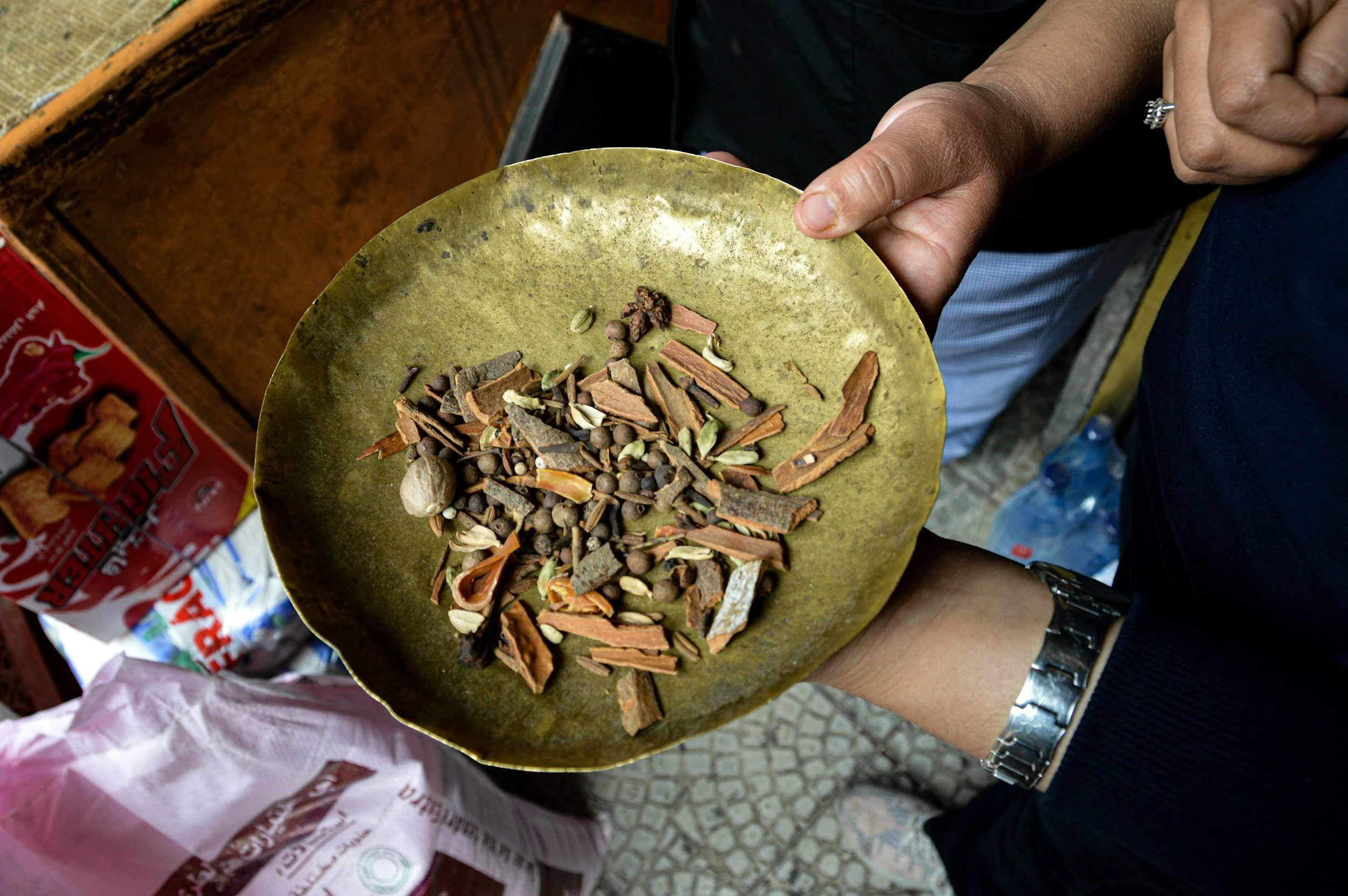
In addition to lifestyle, dietary, and contemplative practices, traditional Sowa Rigpa includes a variety of external modalities intended to support balance and overall well-being. These practices work directly with the body and may include methods such as the application of herbal oils, compresses, medicinal baths, moxibustion, gentle physical therapies, and other traditional techniques designed to promote relaxation, circulation, and harmony within the body's systems.
At Tanaduk Wellness, we recognize the value of these traditional external approaches as part of the broader Sowa Rigpa understanding of wellness. While our primary focus is on lifestyle guidance, education, meditation, western herbal wellness, and holistic self-care, we offer external modalities within the Sowa Rigpa tradition.
Together with nutrition, behavior, mindfulness, and environmental awareness, external modalities reflect Sowa Rigpa's holistic view that well-being is best supported through an integrated approach that nurtures the body, mind, and spirit.
Benefits Experienced by Clients
Clients who explore traditional Sowa Rigpa wellness practices such as Horme, Lum, and lifestyle-based approaches often report a greater sense of relaxation, balance, and connection to their overall well-being. These traditional methods are intended to support the body's natural capacity for restoration while encouraging harmony between mind, body, and environment.
Potential benefits experienced by clients may include:
Deep relaxation and a greater sense of calm
Reduced feelings of stress, tension, and overwhelm
Enhanced awareness of the connection between physical and emotional well-being
Improved sense of grounding and stability
Support for healthy rest and restorative sleep
Increased feelings of comfort, warmth, and nourishment
Greater connection to traditional wellness practices and seasonal self-care
Improved mindfulness and body awareness
Support for resilience during periods of stress, transition, or imbalance
A deeper appreciation for holistic approaches to wellness
Horme, which traditionally utilizes the therapeutic application of warmed herbal compresses and oils to specific areas of the body, is often valued for its comforting, nurturing, and calming qualities. Clients frequently describe feeling deeply relaxed and restored following a session.
Lum, a traditional Tibetan therapeutic bath practice utilizing herbal preparations, is traditionally used to promote relaxation, physical comfort, and overall well-being. Many individuals find Lum supportive for restoring a sense of balance, especially during times of physical or emotional stress.
As with all wellness practices, individual experiences vary. At Tanaduk Wellness, these traditional approaches are offered as complementary wellness modalities intended to support overall well-being and are not a substitute for medical diagnosis, treatment, or care from a qualified healthcare professional.